When temperatures stay low for weeks, pellet stoves often run longer cycles and reveal small issues that were easy to ignore in early winter. A slightly dirty burn pot, a partially blocked vent, or damp pellets can add up fast: lower heat output, higher pellet consumption, more ash, and that frustrating “it doesn’t feel as warm as it should” experience. A simple mid-winter performance check helps you get consistent heat, better efficiency, and fewer surprise shut-downs during the coldest stretch of the season.
Start with the basics: fuel quality and airflow
Before you assume something is “wrong” with your stove, check the two inputs that drive performance: pellets and airflow.
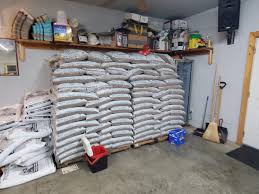
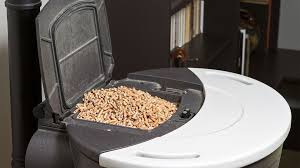
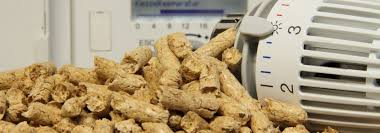
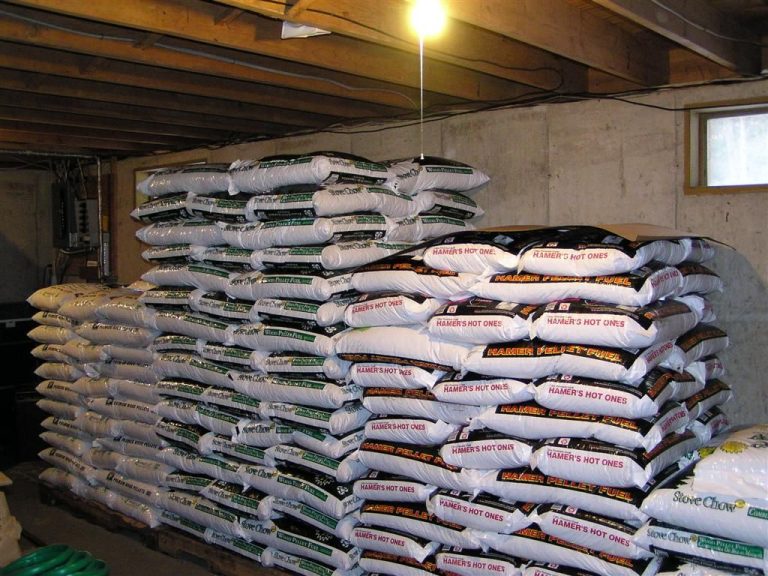
Pellets: If pellets have absorbed moisture, they can swell, crumble, or burn inconsistently. That often shows up as lazy flames, more soot, and heavier clinkers in the burn pot. If you’re seeing more fines (dust) in the bottom of the bag or your pellets feel spongy, storage conditions may be the culprit. Keep bags off concrete floors, away from exterior doors, and out of humid basements when possible.
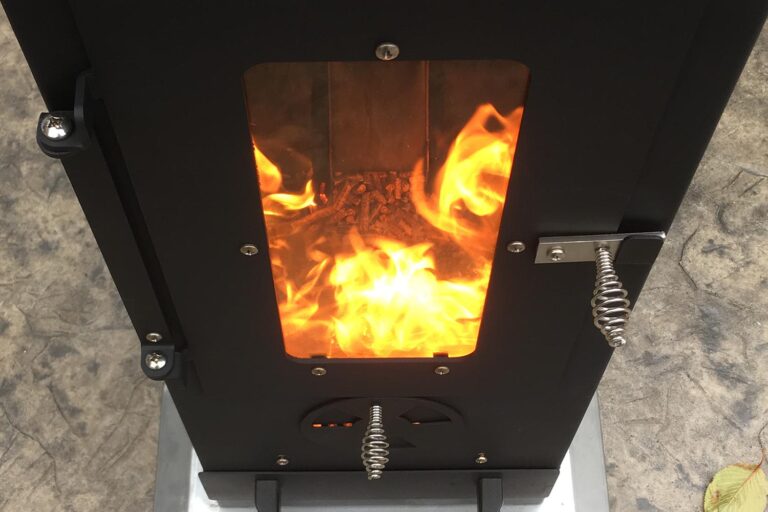
Airflow: Pellet stoves need a clear intake and exhaust path. Even a modest restriction can change how cleanly the stove burns. If the flame looks weak or “orange and rolling” instead of active and bright, or if the glass darkens quickly, it can be an airflow or maintenance issue—not just “bad pellets.”
A practical 20–30 minute cleaning routine that actually matters
You do not need to turn your living room into a service bay to get real results. Focus on the areas that most directly impact combustion.
- Burn pot and burn pot holes: Let the stove cool completely, remove the burn pot, and clear any clogged holes. Those holes are how air gets to the fire. If they’re restricted, everything downstream suffers.
- Ash traps and heat exchanger surfaces: Many stoves have panels or traps that capture fly ash. Empty them. Then clean the heat exchanger surfaces per your manual (often a scraper rod or access panel). This is where efficiency is won or lost mid-season.
- Door gasket quick-check: Close a strip of paper in the door and gently pull. If it slides out easily in multiple spots, you may be leaking air around the door. Leaks can cause poor burn control and extra soot.
- Glass is a symptom, not the goal: Cleaning the glass is fine, but treat it as feedback. If it’s getting dirty quickly, the stove is telling you something about airflow, pellet quality, settings, or maintenance intervals.
Settings: small adjustments that save pellets
A common winter mistake is “cranking it” without understanding what changes. More feed does not always equal more comfort—sometimes it equals more waste.
- Feed rate vs. air: If you increase the pellet feed rate but do not have sufficient combustion air, the stove can run dirtier and less efficiently. The result is more ash and less usable heat.
- Room fan and convection: If heat is trapped around the stove, it can feel hot near the unit but chilly across the room. Make sure your room fan settings are appropriate so heat actually moves into the space you’re trying to warm.
- Thermostat behavior: If your stove short-cycles (turning on and off frequently), you can see more startup smoke and wasted pellets. A steadier, moderate output often feels warmer and burns cleaner than repeated high/low swings.
When to stop DIY and call a pro
Routine cleaning is homeowner-friendly. But there are a few signs that should trigger a professional inspection or deeper service:
- You smell smoke indoors or notice soot accumulating unusually fast
- The stove shuts down repeatedly, throws error codes, or struggles to ignite
- You suspect venting issues, excessive ash buildup in the exhaust path, or a failing combustion blower
- You haven’t had a thorough annual cleaning and inspection this season
A mid-winter check keeps your system running like it should—steady, efficient, and reliable. If you want help choosing the right pellet grade for your stove, or you’re noticing changes in burn quality as the season deepens, quality fuel and smart storage are often the simplest fixes with the biggest payoff.