Late winter is when pellet heat either feels effortless—or it becomes one more thing to babysit. You’re running the stove harder, days are still short, and the “easy burn” you had in early season can start to slip. The good news is that most late-winter issues are predictable and preventable. With a few practical steps, you can keep your heat consistent, your burn clean, and your fuel plan stable through the last stretch of cold.
Start with the simplest lever: fuel management. Many homeowners underestimate how quickly usage accelerates when temperatures drop and the stove runs longer cycles. If you keep your pellets in bags, build a basic inventory habit: count what you have weekly and note your average use. When you spot that you’re trending toward running low within two weeks, reorder. Waiting until you’re down to a handful of bags is how people end up stressed, paying more, or settling for whatever is available.
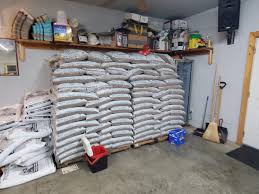
Storage matters more than people think. Pellets are dense, but they are not immune to moisture. If a bag sits directly on concrete or near a drafty door, condensation can lead to swelling and breakage. That turns a premium product into poor combustion. Keep bags elevated on a pallet or shelf, away from exterior doors, and in a stable, dry area. If you store pellets in a garage, consider where snowmelt and humidity travel—pellets should not be in the path of wet boots, runoff, or damp corners.
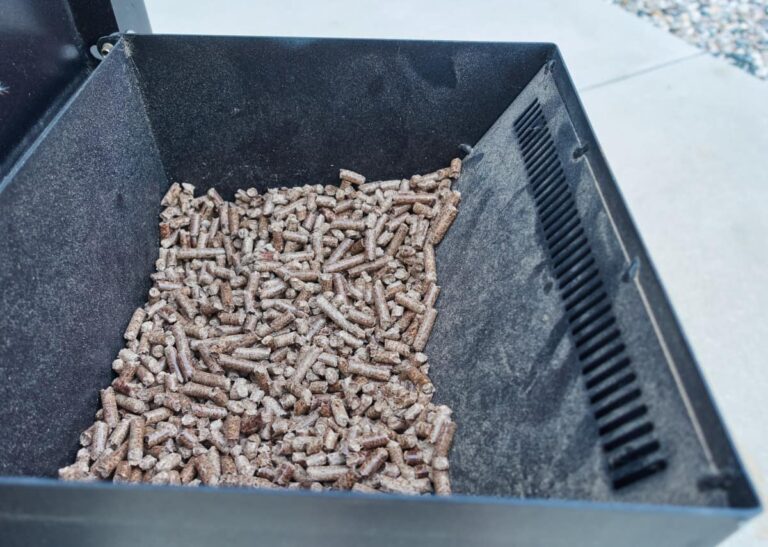
Next, address the performance side: airflow and cleanliness. Pellet stoves are engineered systems. They don’t just burn fuel; they manage combustion through airflow, fans, and venting. As ash accumulates in the burn pot and internal pathways, the stove may struggle to maintain the same heat output. You might notice longer ignition times, a lazier flame, sootier glass, or an increase in shutdowns. A mid- to late-season cleaning can bring performance back quickly. This includes cleaning the burn pot, emptying the ash pan, brushing heat exchanger surfaces (per your manual), checking door gaskets, and confirming the venting is clear. If you’re not comfortable doing this yourself, schedule professional service. Either way, don’t wait for a failure—late winter is when the stove is working its hardest.
Ash is also a diagnostic tool. If ash volume suddenly increases or looks unusually dark and clumpy, it can indicate incomplete combustion. That typically points to airflow restrictions, improper settings, or pellet quality issues. A steady, active flame with minimal smoke and consistent ash is what you want. If you tinker with settings, do it methodically and keep notes; random adjustments often create more issues than they solve.
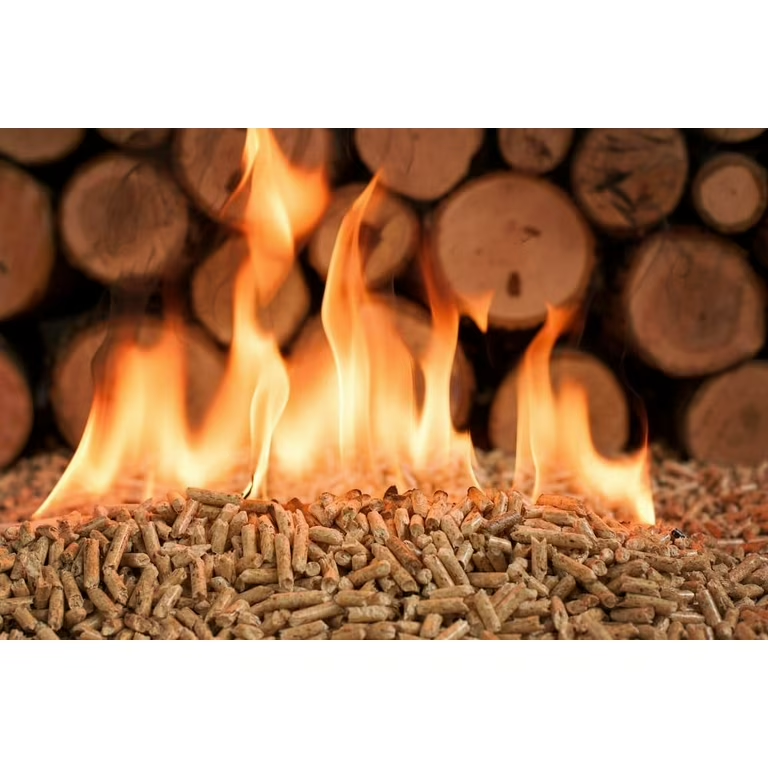
If you heat with both pellets and firewood, late winter is a good time to optimize your mix. Pellets are excellent for steady, set-it-and-forget-it heat. Firewood is great for evening ambiance and short bursts of high heat. If you’re trying to stretch pellet inventory, consider using firewood strategically during peak hours—early morning warm-up and evening comfort—while letting the pellet stove cover the baseline temperature.
Finally, plan for the shoulder season. March and early April in New Jersey can swing from mild to freezing in a day. That variability is exactly when homeowners regret running their fuel supply too close. Think of your late-winter order as a bridge: enough to finish the season without stress, and potentially enough to carry you through surprise cold snaps. Leftover pellets stored properly are not a problem; running out at the wrong moment is.
Late winter doesn’t have to be a grind. If you keep inventory visible, store pellets correctly, and maintain your stove before performance dips, pellet heat stays what it’s supposed to be: consistent comfort, minimal hassle, and a predictable routine when the weather is anything but predictable.