Once the heating season winds down in New Jersey, the smartest move you can make is treating spring pellet storage like an “insurance policy” for next winter. Pellets are stable when stored correctly, but spring brings the exact conditions that can ruin them: humidity swings, garage condensation, damp basements, and stormy weeks with doors opening and closing constantly. A little planning now protects your investment and keeps next season’s burn clean and consistent.
Why spring storage matters more than people think
Pellets are compressed sawdust—highly efficient, but moisture-sensitive. If pellets absorb humidity, they swell, crumble, and feed inconsistently. That can create extra ash, poor ignition, jammed augers, and a dirty burn that makes your stove work harder. Off-season storage is how you keep “premium performance” from turning into frustration.
The biggest spring storage risks (and how to avoid them)
Spring in Hunterdon County often means damp mornings, warmer afternoons, and occasional heavy rain—perfect conditions for moisture migration.
Key risks:
- Concrete floors that wick moisture upward
- Basements that feel dry but run humid
- Garages where condensation forms on cool nights
- Sheds that breathe moisture during storms
How to mitigate:
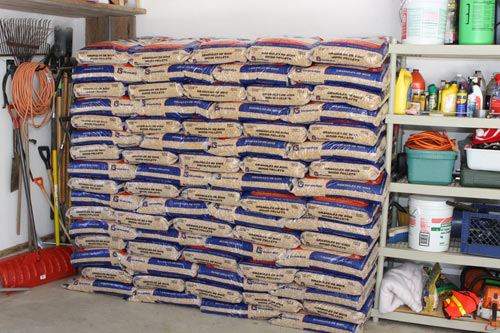
- Get bags off the ground: pallets, 2×4 sleepers, or any raised platform is better than direct contact with concrete.
- Keep the wrap intact as long as possible. Open only what you plan to use.
- Choose the right storage location: dry, temperature-stable, and protected from wind-driven rain.
- Avoid stacking against exterior walls where temperature swings are biggest.
- Use a moisture barrier (like a tarp under pallets) only if it doesn’t trap humidity—you want separation + airflow, not a sealed swamp.
How much should you keep through spring?
If you have leftover pellets, you can store them safely for next season as long as they remain dry. Many homeowners also like carrying a reserve so they’re not chasing inventory once fall demand ramps up again.
A practical approach:
- Keep a small “shoulder season” reserve (cool spring nights can still happen).
- Store the remainder for winter—but keep it protected and elevated.
- If you plan to buy early for next season, spring is often a good time to think about logistics: where it will live, how it will be staged, and how you’ll keep it dry.
Spring cleanup: set yourself up for a clean start next fall
Pellet stoves don’t like sitting dirty. Spring is the ideal time to do a deeper clean so ash doesn’t absorb moisture over the summer and create corrosion or odor.
Spring checklist (general, always follow your unit manual):
- Empty and clean the ash pan and burn pot thoroughly
- Vacuum ash traps / chambers as recommended
- Inspect gaskets and seals; replace if worn
- Check venting: make sure termination is clear and components are secure
- Wipe down exterior surfaces and glass
A clean stove at the end of the season typically means fewer surprises when you fire up in October.
The “no regrets” spring storage setup
If you want one simple best-practice setup:
- Pellets stored on pallets
- In a dry garage corner (not near wet vehicles) or a clean, dry interior area
- Wrap intact, with airflow around stacks
- Bags kept away from concrete walls and floors
Do this and you’ll keep pellets crisp, burn quality consistent, and maintenance easier next winter.