In New Jersey winters, storage is the difference between “easy, dependable heat” and “why is this burning so poorly?” Pellets and firewood both hate moisture, but they fail in different ways. Pellets break down and burn inconsistently; firewood hisses, smokes, and struggles to produce clean, steady heat. The good news is you do not need perfect conditions—you need smart habits that prevent the most common winter storage problems.
Pellet storage: treat moisture like your main enemy
Pellets are compressed wood fiber. They’re designed to be dense and dry, and they perform best when kept that way.
- Keep bags off the floor: Concrete can transmit moisture. Store pellet bags on a pallet, 2×4 runners, or sturdy shelving.
- Avoid “humid corners”: Basements, garages with frequent door openings, and mudrooms can all introduce humidity and temperature swings. If you must store there, keep pellets sealed and elevated.
- Don’t open bags early: Once opened, pellets can absorb moisture from the air. Open what you will use soon, then reseal tightly.
- Manage fines (dust): Excess fines can affect feeding and burn quality. Handle bags gently, store them flat and stable, and avoid repeatedly moving stacks around.
A simple rule: if your storage space feels damp to you, it’s damp for pellets. Prioritize dryness over convenience whenever possible.
Firewood storage: airflow first, rain protection second
Firewood needs two things: air movement and protection from direct precipitation. Many people accidentally do the opposite—wrapping wood too tightly and trapping moisture.
- Stack off the ground: Use a rack, pallets, or a base of pressure-treated runners to avoid ground moisture wicking into the stack.
- Cover the top, not the sides: A top cover keeps snow and rain off, while open sides let wind move through and keep the stack drier.
- Face stacks for airflow: If possible, align stacks so prevailing breezes can pass through. Even modest airflow helps.
- Bring wood in gradually: Bringing a week’s worth of wood indoors can introduce insects and adds moisture to your home. Bring in what you’ll burn in the near term, then restock.
If you’re buying “seasoned” firewood, remember that winter conditions can still re-wet wood if it’s stored poorly. Proper stacking and top-covering protects the investment you made in good fuel.
Winter convenience without winter mess
The most common winter frustration is storage that technically works, but makes daily life annoying—wet bark, debris tracked inside, or bags that tear and spill.
- Create a clean transfer zone: A small mat, boot tray, or dedicated bin near the entry reduces mess and keeps pellets/firewood from scattering across floors.
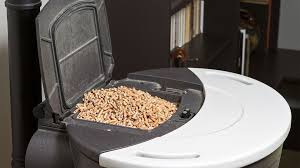
- Use a lidded pellet bin indoors: This keeps pellets dry and reduces dust. Scoop from the bin rather than dragging bags around your living space.
- Rotate stock: Use older bags/wood first. This keeps you from discovering a damp stack when you least want surprises.
Common mistakes that quietly cost you money
A few storage errors can raise fuel usage and lower comfort without you noticing immediately.
- Pellets stored directly on a garage floor “for just a few days” that turns into weeks
- Firewood wrapped in a tarp like a cocoon, trapping condensation
- Stacks placed against siding with no airflow, encouraging mold and poor drying
- Mixing indoor and outdoor storage randomly, leading to inconsistent burn performance
Winter heating is already work—your storage should make it easier, not harder. With dry pellets, properly covered firewood, and a simple system for bringing fuel into the house, you’ll get cleaner burns, steadier heat, and far fewer “why isn’t this working?” moments when temperatures drop.